Get Insulated Siding Installation
Insulated siding installation services help property owners improve energy efficiency, protect exteriors, and enhance curb appeal through expert siding upgrades by trusted local contractors.
Insulated siding installation is a practical upgrade for property owners looking to improve the energy efficiency and curb appeal of their homes. This service can help reduce heating and cooling costs by enhancing the insulation properties of exterior walls, while also providing a sleek, finished appearance. Whether planning a renovation or seeking to maintain the value of a property, exploring insulated siding options can be a strategic choice for many homeowners.
For those considering this project, it’s important to compare local contractors who specialize in insulated siding installation. Connecting with experienced service providers ensures the work aligns with the specific needs of the property and local building standards. Continuing to explore available options can help property owners make informed decisions about how to best enhance their home's exterior and long-term performance.
- homeowners may seek insulated siding installation to improve energy efficiency during extreme weather conditions. - property owners might need this service when upgrading or renovating the exterior of their home. - individuals looking to enhance the insulation and curb appeal of their commercial buildings may contact local contractors. - those experiencing drafts or higher energy bills could consider insulated siding as a solution for better temperature regulation. - residents planning to increase their home’s durability and resistance to weather-related damage may look for local siding experts.
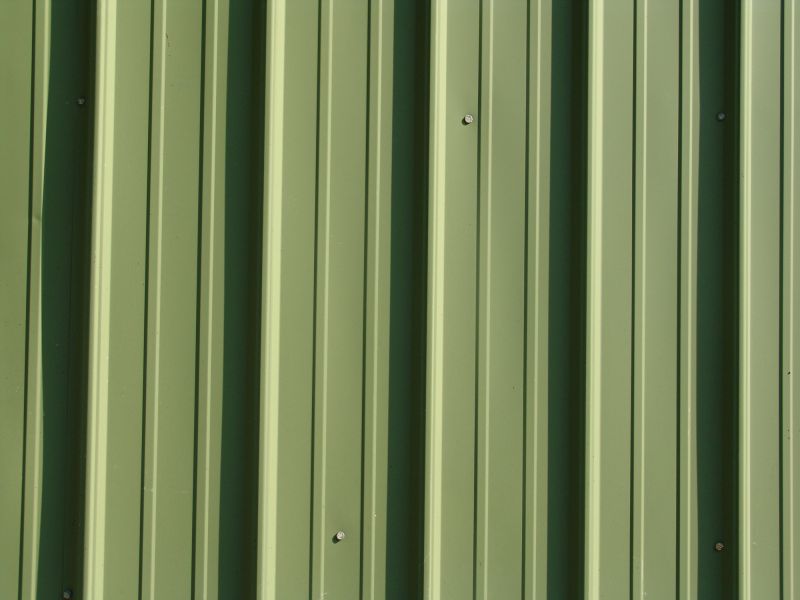
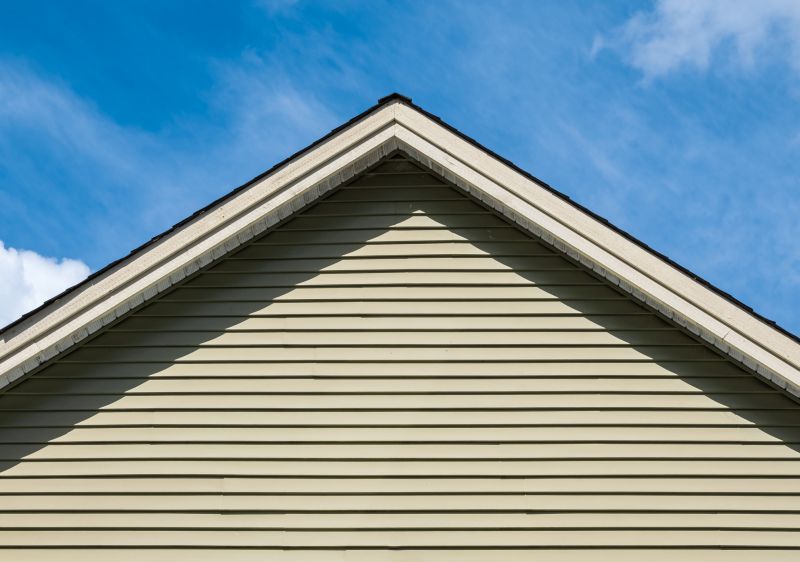
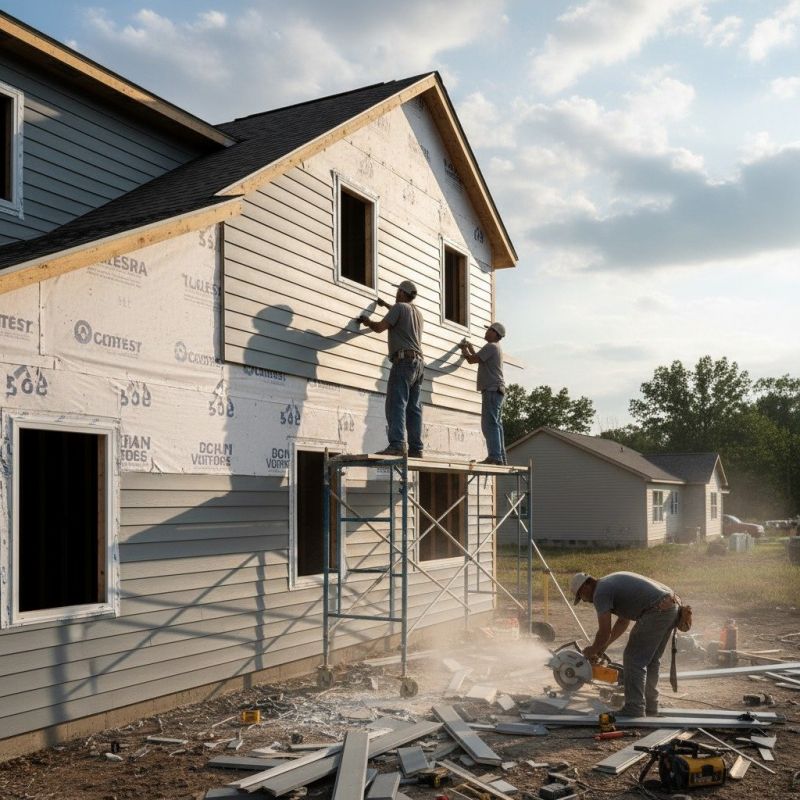
Insulated siding installation involves attaching specialized siding materials that include insulation layers to the exterior of a property. This service enhances the building’s thermal barrier, helping to keep indoor temperatures more consistent throughout the year. Insulated siding can be applied over existing siding or directly onto the exterior wall, depending on the property's condition and the desired results. The process typically includes removing the old siding (if necessary), preparing the surface, and securely installing the insulated panels to ensure durability and energy efficiency.
This service addresses several common issues faced by homeowners. It can significantly improve energy efficiency by reducing heat loss during the winter and heat gain during the summer, which may lead to lower utility bills. Insulated siding also helps prevent drafts and cold spots that often occur around poorly insulated walls. Additionally, it provides a protective layer that can shield the underlying structure from moisture, pests, and weather-related damage. For properties experiencing frequent temperature fluctuations or rising energy costs, insulated siding installation can be a practical solution.
Properties that often benefit from insulated siding include older homes with outdated or minimal insulation, as well as new constructions aiming for enhanced energy performance. Residential buildings such as single-family houses, townhomes, and multi-family complexes commonly utilize this service. Commercial properties, especially those with exterior walls that are exposed to harsh weather, may also find insulated siding advantageous. Overall, any property seeking improved insulation, increased curb appeal, and added exterior protection can consider insulated siding installation.
Homeowners who notice drafts, uneven indoor temperatures, or rising energy bills might find insulated siding to be a helpful upgrade. It is also a suitable choice for those planning to improve their property's exterior appearance while gaining better thermal performance. When considering this service, it’s important to connect with local contractors experienced in insulated siding installation. These service providers can assess the property's specific needs, recommend appropriate materials, and ensure a proper, long-lasting installation tailored to the property type.
The overview below groups typical Insulated Siding Installation projects into broad ranges so you can see how smaller, mid-sized, and larger jobs often compare in your area.
In many markets, a large share of routine jobs stays in the lower and middle ranges, while only a smaller percentage of projects moves into the highest bands when the work is more complex or site conditions are harder than average.
Smaller Repairs - Typical costs for minor insulated siding repairs often range from $250 to $600. Many routine fixes fall within this middle band, depending on the extent of the damage and materials needed.
Partial Replacement - Replacing sections of siding usually costs between $1,000 and $3,000 for most projects. Larger, more complex partial replacements can reach $4,000 or more, but these are less common.
Full Siding Replacement - A complete insulated siding installation generally falls within the $5,000 to $15,000 range. Many full replacements are in the middle of this spectrum, with higher costs for larger or more intricate homes.
Custom or Large-Scale Projects - Extensive siding installations or custom work can exceed $20,000, though such projects are less frequent. Local contractors can provide tailored estimates based on specific project details.
Actual totals will depend on details like access to the work area, the scope of the project, and the materials selected, so use these as general starting points rather than exact figures.
Siding Repair and Replacement - local contractors skilled in siding repair and replacement can apply similar techniques and tools used in insulated siding installation to ensure durability and proper insulation.
Exterior Wall Insulation Projects - professionals experienced in installing exterior wall insulation have the expertise to handle insulation enhancements that complement siding systems.
Fascia and Soffit Installation - installing fascia and soffits requires knowledge of exterior wall systems, making these projects related in planning and execution to siding installation.
Cladding and Exterior Finish Upgrades - upgrading exterior cladding involves similar surface preparation and attachment methods used in insulated siding projects.
Window and Door Wrapping - wrapping windows and doors with insulating materials shares skills in sealing and finishing exterior wall penetrations.
Exterior Home Renovations - comprehensive exterior renovations often include siding upgrades, requiring similar planning, tools, and installation techniques used in insulated siding projects.
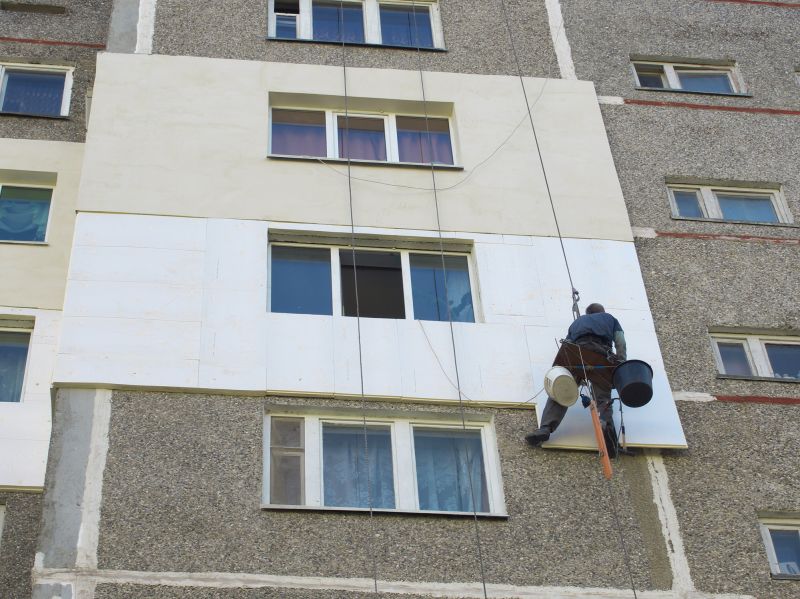
When comparing service providers for insulated siding installation, it’s important to consider their experience with similar projects. Homeowners should seek out local contractors who have a proven track record of successfully completing insulated siding work in homes comparable to their own. An experienced professional is more likely to understand the nuances of different siding materials, installation techniques, and the specific challenges that can arise during a project. This background can help ensure the job is done efficiently and to a high standard, reducing the likelihood of issues down the line.
Clear, written expectations are essential when evaluating potential contractors. Homeowners should look for providers who can offer detailed project descriptions, scope of work, and materials to be used in a written format. This clarity helps prevent misunderstandings and ensures that both parties are aligned on what will be delivered. Asking service providers to outline their process, materials, and any warranties or guarantees in writing can serve as a helpful reference throughout the project, fostering transparency and accountability.
Reputable references and good communication are key factors in choosing a reliable local contractor. Homeowners can ask for references from previous clients who had similar siding projects completed. Speaking with past customers provides insight into the contractor’s professionalism, quality of work, and reliability. Additionally, effective communication-such as responsiveness to questions and clarity in explanations-can make the entire process smoother. The site introduces homeowners to local options, helping them connect with service providers who can meet these criteria, ensuring the project is handled by qualified and communicative professionals.
Property owners use Insulated Siding Installation services for practical projects around their homes and businesses. This guide focuses on everyday jobs and straightforward project options.
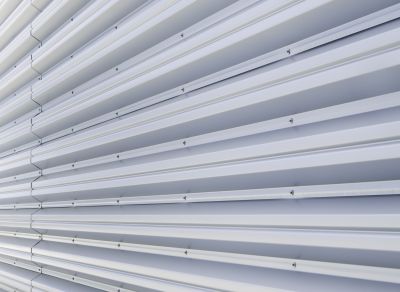
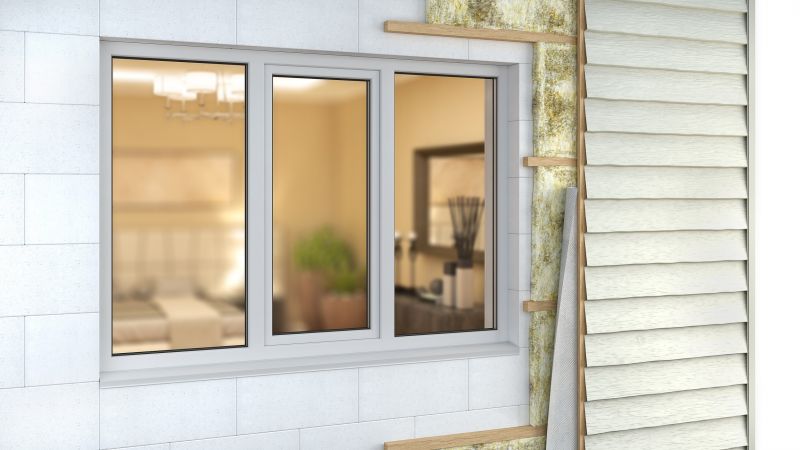
Insulated siding installation is a common project for property owners looking to improve their home's energy efficiency and curb appeal. Local contractors are often called upon when homes show signs of drafts, uneven temperatures, or increased utility bills. Additionally, homeowners may seek this service after noticing exterior damage, such as cracking or warping, or when planning a renovation to modernize the home's appearance. These projects typically involve replacing or upgrading existing siding to better insulate the home and enhance its overall look.
Many property owners turn to local service providers to handle insulated siding installation as part of routine home maintenance or renovation efforts. This work can be a practical solution for those who want to reduce heating and cooling costs or prepare their home for changing seasons. Whether due to weather-related wear or simply wanting to boost the property's value, local contractors are available to assist with installing high-quality insulated siding tailored to the specific needs of each home.
What are the benefits of insulated siding installation? Insulated siding can improve energy efficiency, enhance curb appeal, and provide additional insulation for the home.
How do local contractors handle insulated siding installation? Experienced service providers assess the home's needs, prepare the existing siding, and properly install insulated panels to ensure durability and performance.
Is insulated siding suitable for all types of homes? Insulated siding is versatile and can be installed on various home styles, but it's best to consult with local contractors to determine suitability.
What should I consider before choosing insulated siding? Factors include the home's existing exterior, climate considerations, and the compatibility of siding materials with insulation options.
How long does insulated siding installation typically take? The duration depends on the home's size and complexity, but local service providers can provide an estimate based on the scope of work.
Energy Efficiency Improvements - Insulated siding installation can help property owners reduce energy costs by enhancing thermal insulation for their homes.
Exterior Home Renovations - Homeowners planning to update or refresh the look of their property may consider insulated siding as part of their exterior renovation projects.
Weatherproofing and Protection - Property owners seeking to better protect their homes from harsh weather conditions can use insulated siding to improve durability and resistance.
Increasing Property Value - Those looking to boost curb appeal and overall home value might explore insulated siding options with local contractors.
If you are thinking about Insulated Siding Installation for a property, this guide is meant to help you understand the work, the typical project types, and how different options might fit your plans.
When you are ready, you can use the quote form on this page to share a few details about your project. From there, local pros can review the basics and respond with options that match what you have in mind.